
The Tree Next Door House:
High Performance construction new + retrofit to existing
Location: Alphington, Melbourne Australia
Consultants:
Builder: Basus Build: Brendan Dagge
Environmental Performance: Passive Analytics: Cameron Munroe
Structural Engineer: Oranik Consulting Engineers
More about this project:
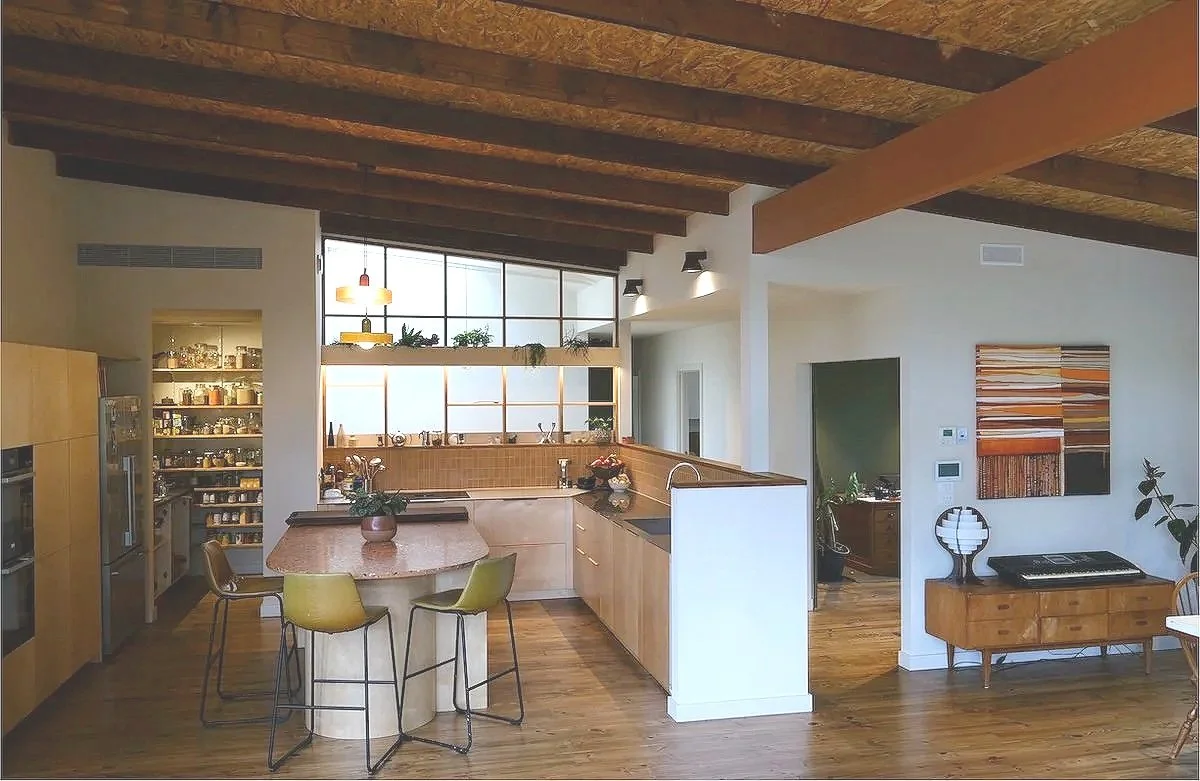
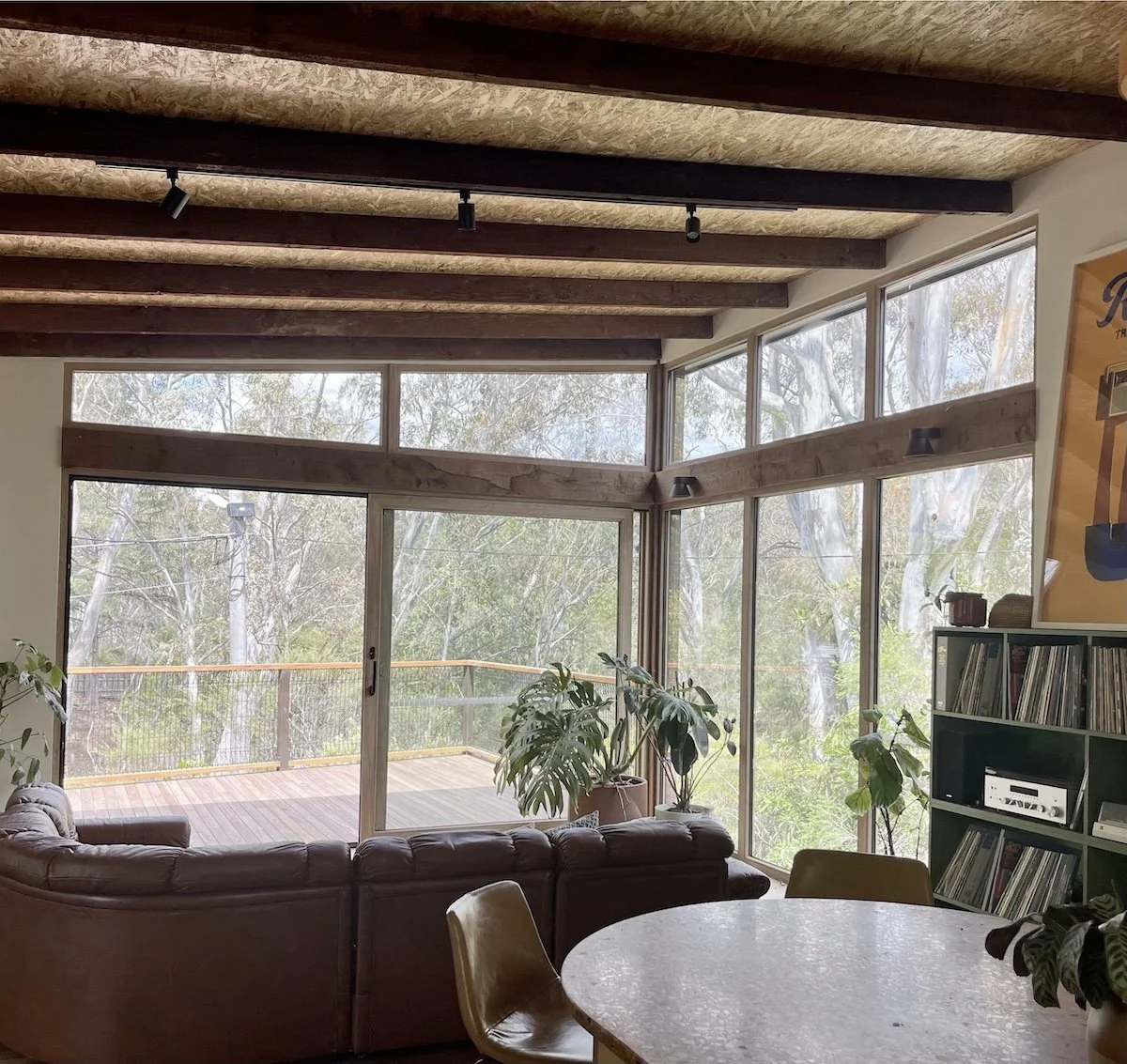
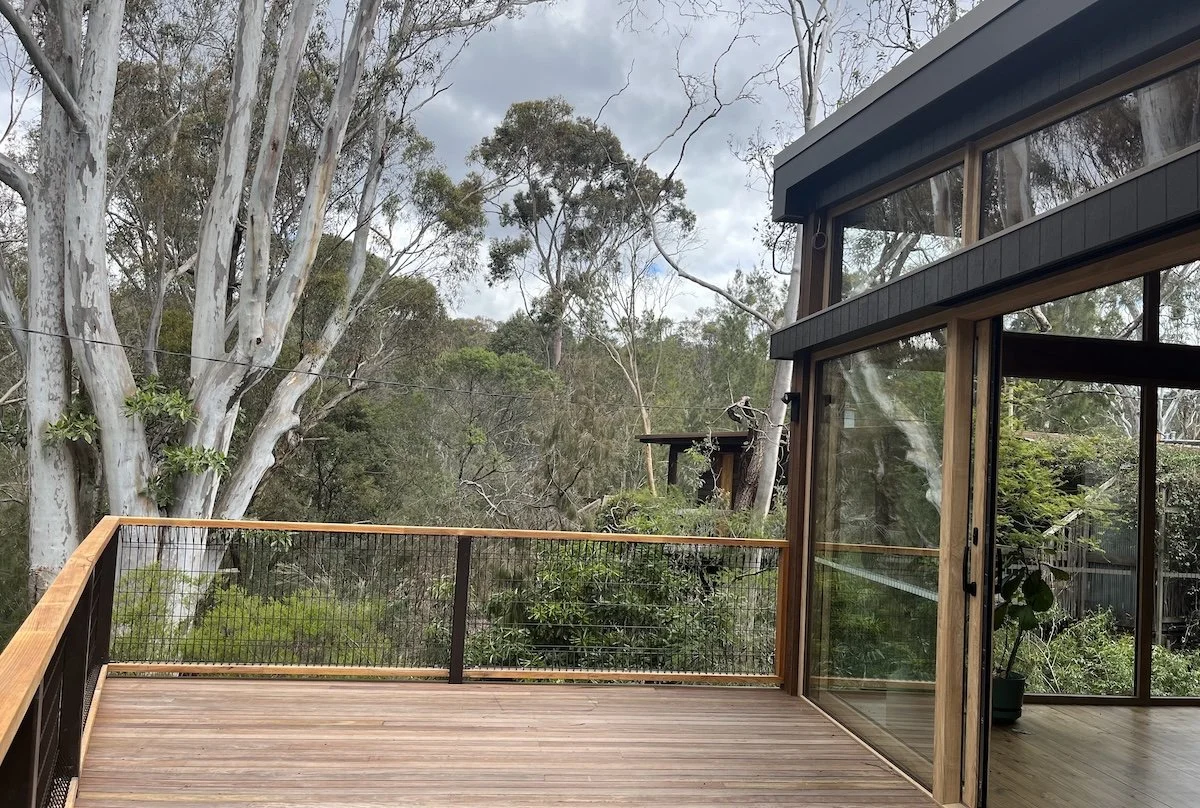
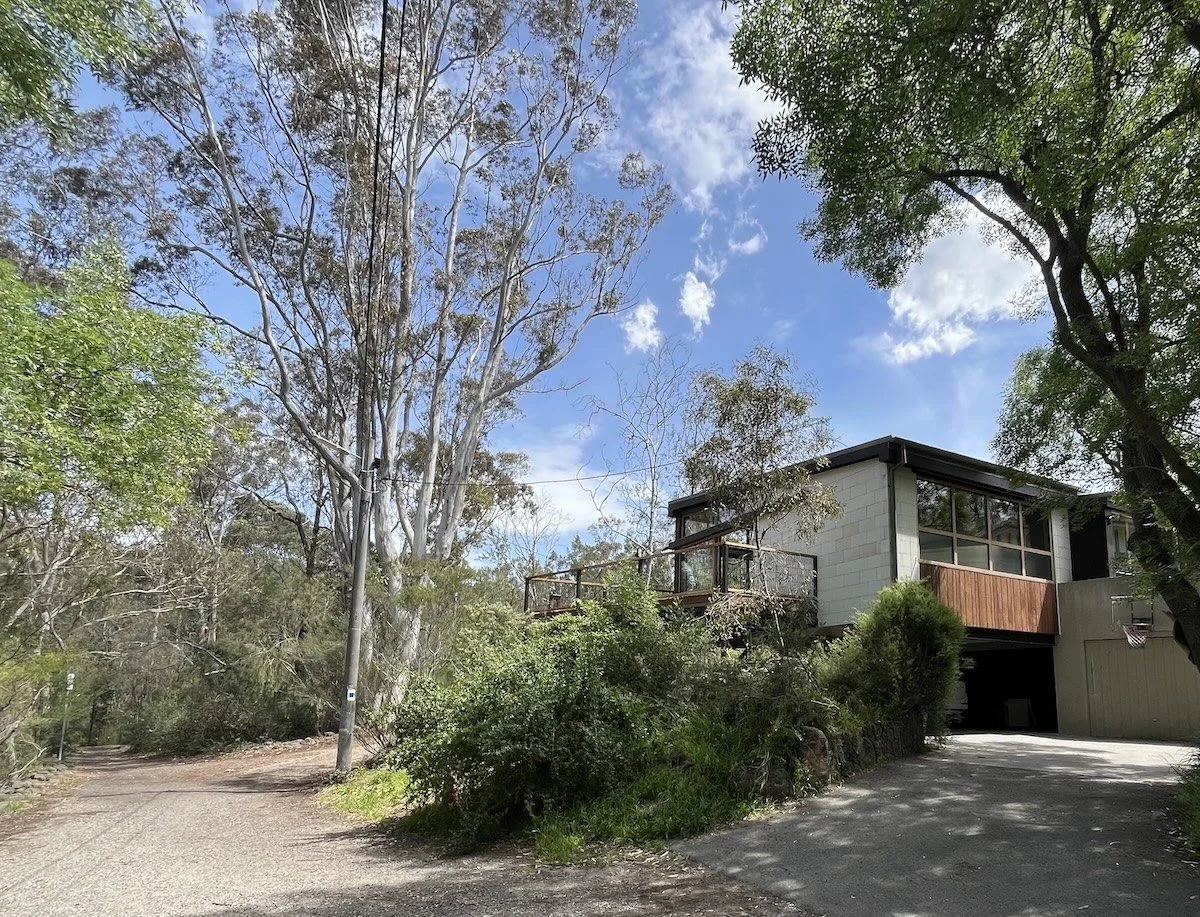
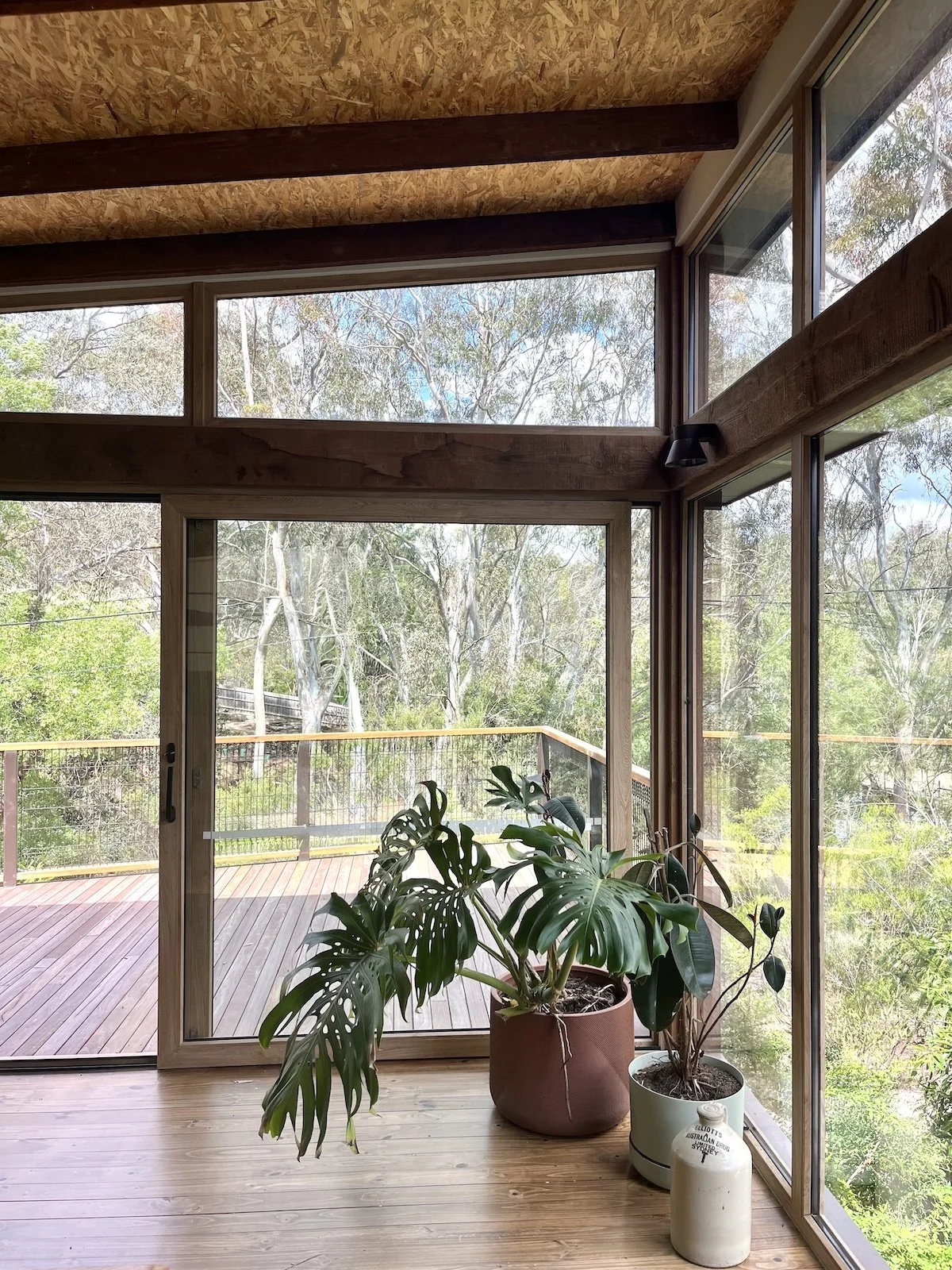
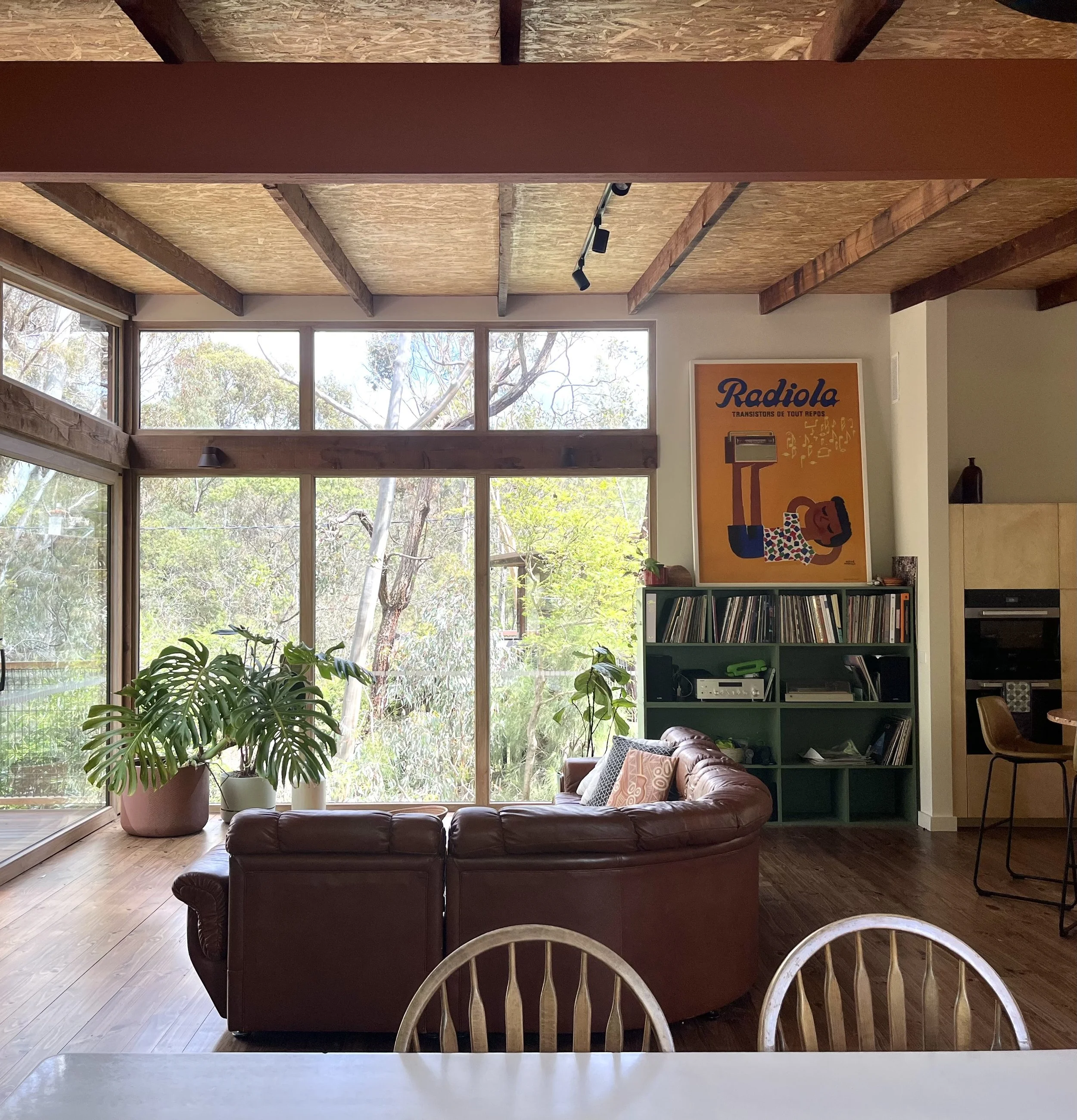
The Tree Next Door House is located in a unique and magical spot. There ought to be a sign out the front stating: “CITY LIMITS”. At the top of the street, a busy arterial road provides no clues of what lays just a couple of hundred metres away of bushland and the Yarra River. The block next door hosts a magnificent and huge 150+ year gum tree that serves as the focal point of all of the main rooms.
The original home was built in the late 1960’s with a hint of architectural flair, but lacking that certain something to create the grand home that it could have been. Rooms were pokie, disconnected and inefficient. The best locations of the house were given to thoroughfares, there was no internal stairs; a bedroom was located in the middle of the living zone and low ceilings cut short the view of the tree.
The existing building had been affectionately labelled as a ‘glorified cardboard box’ There was literally zero insulation in the floors, walls or roof. ZERO! In the Melbourne climate. This would not do for the clients originally from Sydney.
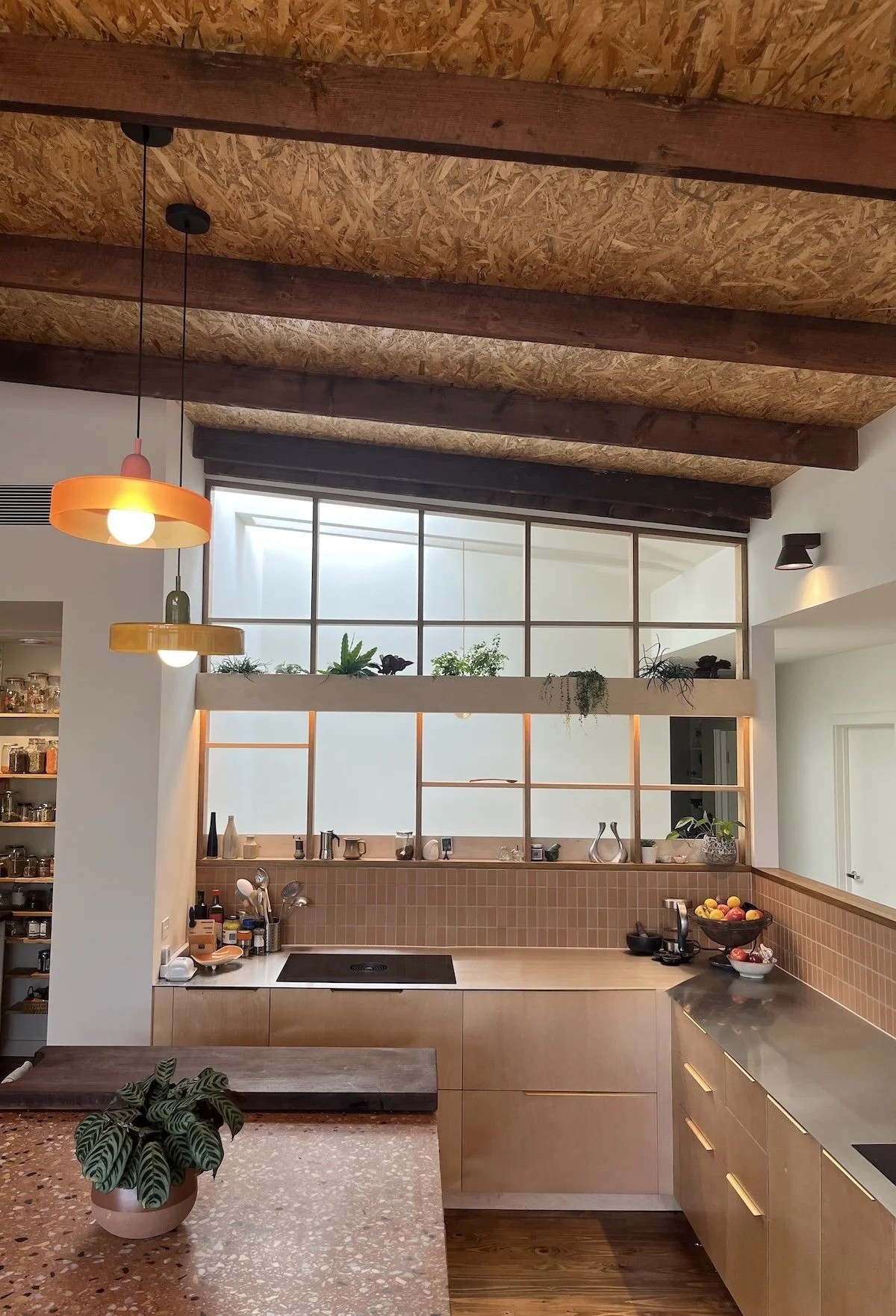
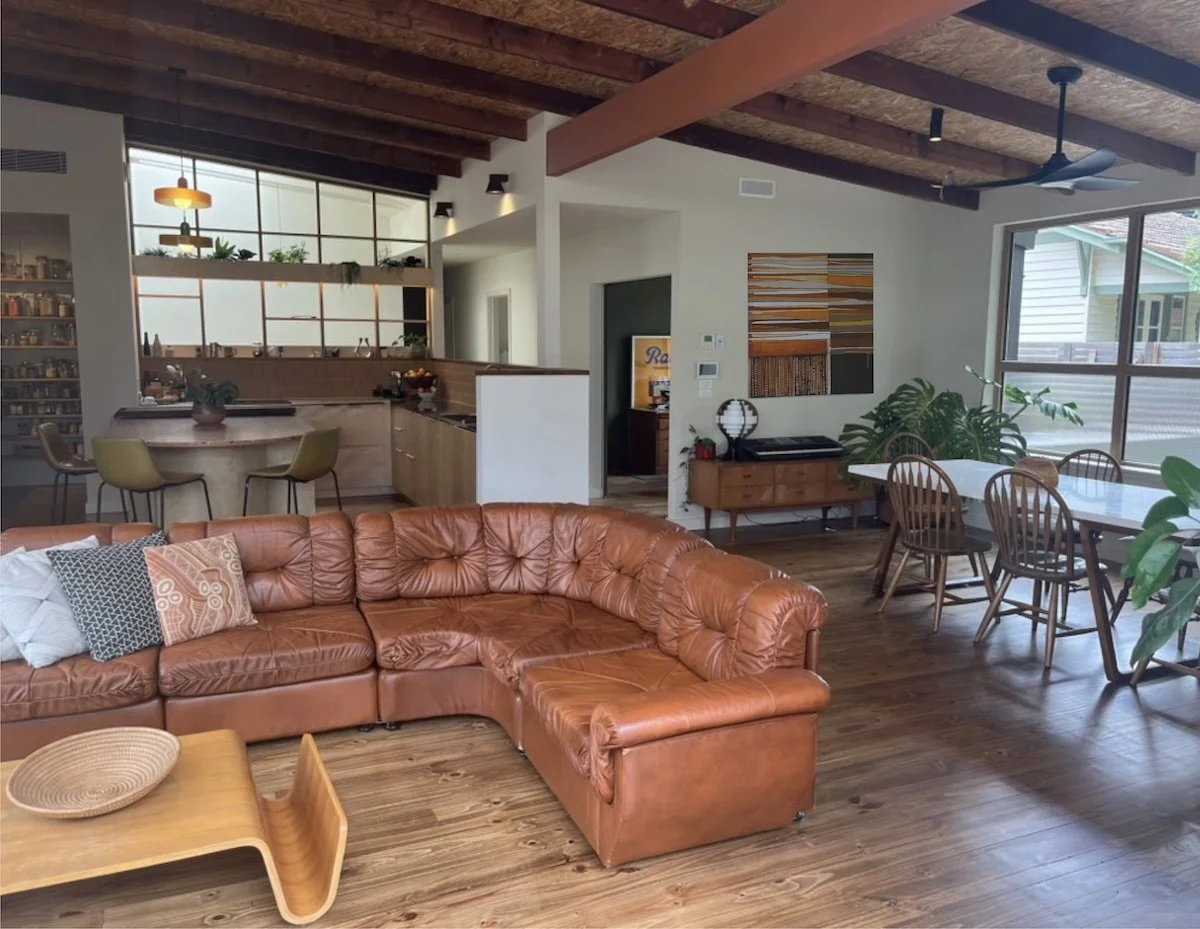
The guiding principle of the renovation was to rationalise the original planning of the home and overhaul the performance of the building envelope. This was achieved by capitalising on the northern orientation, better utilising the ground floor, connecting the living spaces with the garden and outside, and of course it was all about views to the tree next door- and beyond.
The original intention was to retrofit the building as an Enerphit Passivehouse. However as the process progressed, it became apparent that Passivehouse retrofit was not viable for a few reasons. Unfortunately, the budget could not stretch to strip back and rebuild parts of the house that were otherwise remaining untouched, but furthermore, the existing masonry walls penetrated through the existing concrete slabs, and there would be no way to isolate and decouple the existing building envelope. As it turns out in this particular case, achieving Passivehouse standards would have required a knock-down and rebuild.
This was a blow for the clients who were deeply committed to Passivehouse, however, once the dust settled we realised we could maintain high standards and still deliver a truly comfortable, efficient and healthy home. This included:
High performance windows from Binq:
Fixed windows - 1.5 U value, .39 SHGC, VLT 80%, RW 33
TT window – 1.5 U value, .30 SHGC, VLT 80%, RW 33
Hinged door - 1.5 U value, .39 SHGC, VLT 80%, RW 33
Smart Slide - 1.5 U value, .43 SHGC, VLT 80%, RW 33
Insulation levels throughout to equal Passivehouse requirements.
A mechanical ventilation heat recovery (MVHR) system that delivers a continuous supply of fresh, filtered air while using the heat from stale, moist outgoing air to warm the incoming air. This serves to improve the indoor air quality and control humidity to prevent condensation and mould. This was particularly important with asthma suffers and mould allergies in the family.
A focus on airtightness. We could not achieve the standard of 1 ACH as prescribed by the Enerphit standard because of the untouched existing components of the building, particularly on the ground floor, however before and after blower door testing demonstrated that we did improve the house from 21* ACH down to 7 ACH. This is obviously a huge improvement and was a testament to the commitment of Brendan and his team.
*During the original testing, we actually had to tape up one door, because the ACH was so huge, the metre actually couldn’t measure the air changes!
All new construction carefully avoided thermal bridges and utilised Weather Restive Barriers and Airtight membranes from Proclima.
A 13.2KW solar array was installed on the roof and a 20KW battery installed which has so far proven its value -with one month of occupancy (at the date of writing) and so far never drawing once on the grid. This will be reviewed and updated come winter to see how this fares.
The house was disconnected from gas and replaced with a Reclaim Hot Water heat pump and an induction cooktop for cooking.
Flood resilience: The living areas are set up on the first floor to satisfy the one in a hundred year flood overlay- being located proximate to the river.
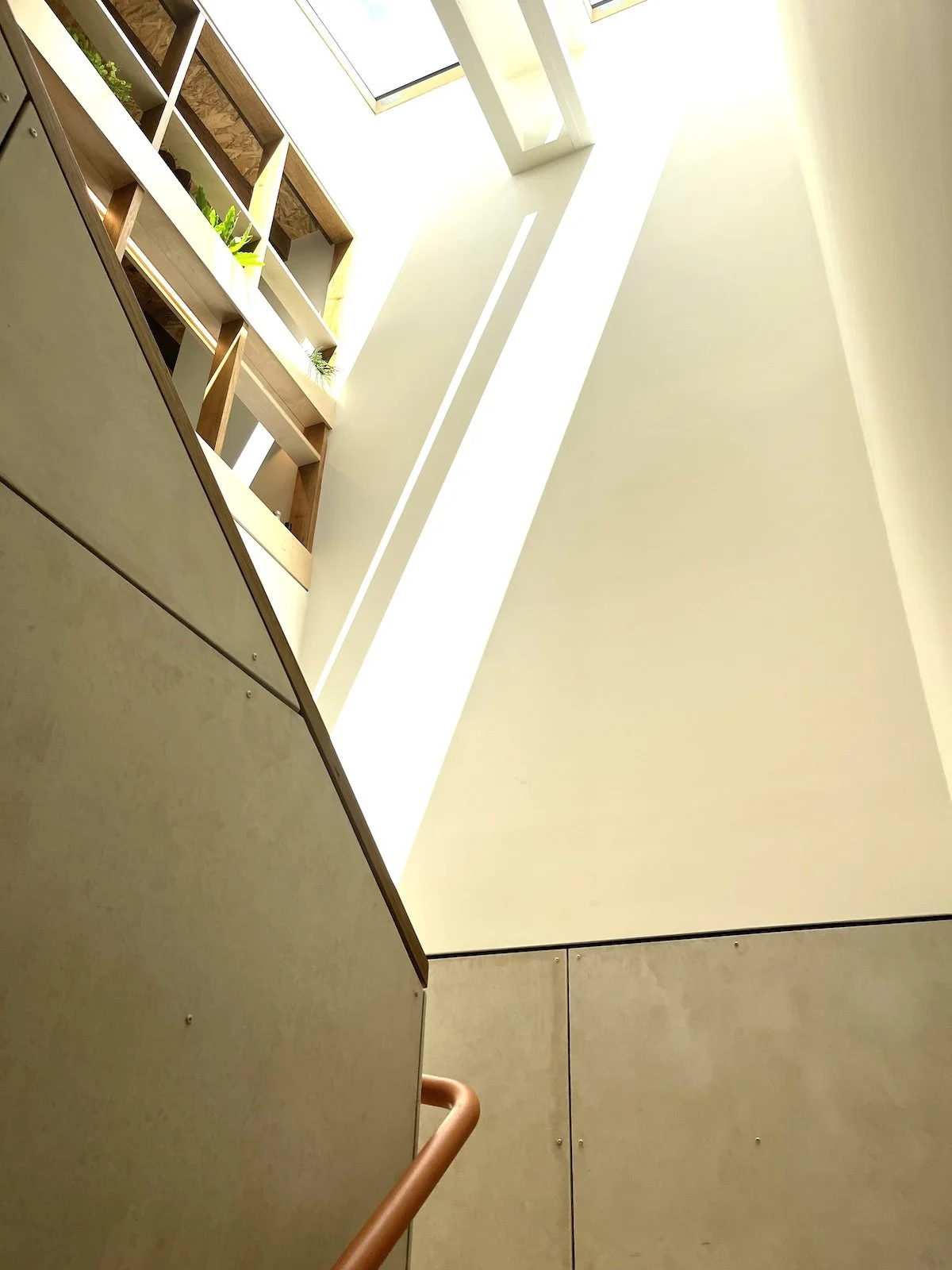
The ground floor rooms were originally semi-external, dysfunctional spaces due to the flood overlay. However these areas have now been enclosed and built to be resilient in the event of rising river waters. This has included measures such as steel framing in lieu of timber, FC linings in lieu of plasterboard, high level electrical points, a cork screed on top of the existing slab- to provide additional insulation, steel stairs with removable treads; XPS (waterproof) insulation in the walls; an absence of adhesives - all the elements are screw fixed and able to be temporarily removed. All of these measures mean that in the event of an inundation, the area can be hosed out and dried with no need to replace materials.
Possibly the most important environmental feature of this project is well considered design and a high quality of construction. This house will not be demolished and replaced for many years to come as it will withstand the changing climate; provide delight and joy and a sense of home that will evolve with the changing needs of a family over the years.